Uruguay, often called the “Switzerland of South America,” is a hidden gem waiting to be explored. This small nation is nestled between Brazil and Argentina and boasts a unique blend of vibrant cities, pristine beaches, and rolling countryside. From the historic streets of Montevideo to the charming colonial town of Colonia del Sacramento, Uruguay offers a delightful mix of old-world charm and modern sophistication. The picturesque coastline is adorned with beautiful beach resorts, making it an ideal destination for those seeking sun and sea.Whether you’re strolling along the scenic Rambla in Montevideo, sipping mate tea with the locals, or enjoying a lazy day on the Atlantic coast, Uruguay’s relaxed and welcoming atmosphere will capture your heart. Discover its rich gaucho culture, taste delectable steaks, and immerse yourself in the lively music and dance of candombe. With its friendly locals and an array of experiences.
- When is the best time to visit?
The best time to visit Uruguay largely depends on your travel preferences:
- Summer (December to February): This is the high tourist season when Uruguay enjoys warm weather, especially along the coast. It’s perfect for beachgoers and water sports enthusiasts. Popular destinations like Punta del Este and La Paloma come alive during this time. Be prepared for larger crowds and higher prices, especially around the holidays.
- Spring (September to November) and Autumn (March to May): The shoulder seasons offer milder temperatures and fewer crowds. Spring, in particular, is known for lush landscapes and blooming flowers. This is an excellent time for exploring cities, cultural events, and outdoor activities without the summer rush.
- Winter (June to August): While it’s the low tourist season, Uruguay’s winters are mild compared to many other places. This can be a great time to visit if you prefer a quieter experience and want to explore the cities, try local cuisine, and enjoy cultural attractions. However, coastal areas might be less appealing due to cooler weather.
Ultimately, the best time to visit Uruguay depends on your interests, whether you’re looking for a bustling summer beach vacation or a quieter cultural exploration.
Uruguay offers a variety of destinations, each with its own unique charm. Here are some of the must-visit places in Uruguay:
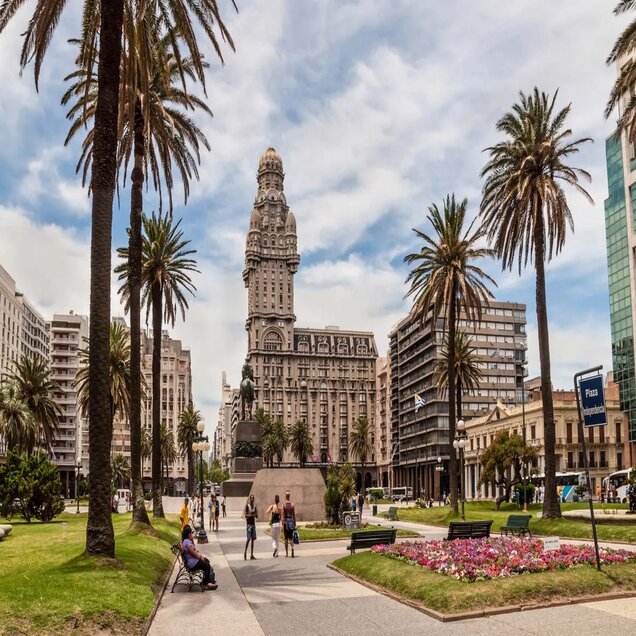
- Montevideo: The capital and largest city, Montevideo, is a vibrant metropolis where modernity meets history. Explore the historic Ciudad Vieja, visit the stunning Independence Square, and enjoy the beachfront promenades. Don’t miss trying a traditional Uruguayan barbecue at a local parrilla.
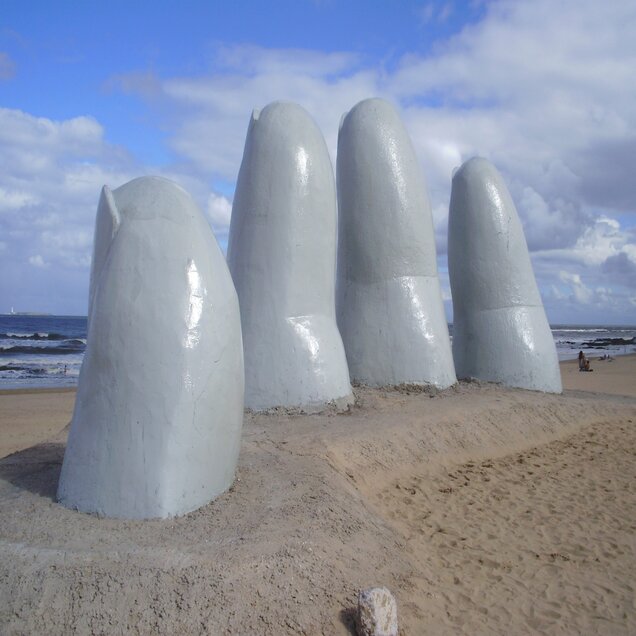
- Punta del Este: This upscale coastal town is known for its beautiful beaches, glamorous resorts, and lively nightlife. It’s a hotspot for sun-seekers and partygoers. The iconic La Mano sculpture on Brava Beach is a must-see.
- Colonia del Sacramento: A UNESCO World Heritage site, Colonia del Sacramento is a charming colonial town with cobblestone streets and well-preserved architecture. It’s a delightful place to wander and soak in the history.
- La Paloma: This beach town is perfect for surfers and those seeking a more relaxed beach experience. The long sandy beaches and laid-back atmosphere make it a great destination for families.
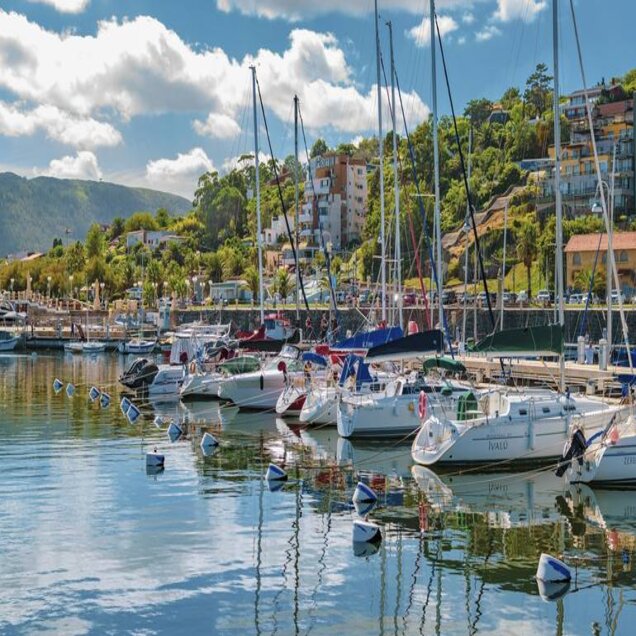
- Piri polis: Nestled at the foot of the Pan de Az£car hill, Piri polis offers a mix of beaches, hills, and charming architecture. You can take a scenic hike up the hill for panoramic views of the coast.
- Cabo Polonio: For a unique experience, visit Cabo Polonio, a remote village within a national park. There are no paved roads, and the village is off the grid. It’s an ideal place to disconnect and enjoy nature.
- Tacuaremb¢: If you’re interested in Uruguay’s gaucho culture, head to Tacuaremb¢. You can stay at an estancia (ranch) and experience the traditional cowboy way of life.
- Salto: Known for its hot springs, Salto is a great place to unwind and relax. The thermal baths are a popular attraction, and the city’s riverfront offers a peaceful setting.
These are just a few of the many destinations in Uruguay. Whether you’re interested in urban exploration, beach getaways, historical sites, or natural beauty, Uruguay has something to offer every traveler.
- How many days do you need?
The ideal duration for a trip to Uruguay depends on your interests and how much of the country you want to explore. Here’s a guideline to help you plan your visit:
- Short Trip (3-5 days): If you’re short on time, you can focus on a specific region. A 3 to 5-day trip is perfect for exploring Montevideo, the capital city, and nearby attractions like Colonia del Sacramento. This timeframe allows you to experience the city’s culture, historic sites, and beautiful coastline.
- Medium Trip (7-10 days): For a more comprehensive experience, consider spending a week to 10 days in Uruguay. With this amount of time, you can explore Montevideo, visit the charming town of Colonia, and venture to other coastal destinations like Punta del Este and La Paloma. You’ll have the opportunity to enjoy the beaches, nightlife, and natural beauty of the country.
- Extended Trip (2 weeks or more): To delve deeper into Uruguay and its diverse offerings, plan an extended trip of 2 weeks or more. This allows you to explore not only the coastal regions but also the interior of the country, including towns like Tacuaremb¢, Salto, and historic estancias. You can immerse yourself in Uruguay’s gaucho culture, soak in hot springs, and enjoy a more relaxed pace of travel.
The length of your stay ultimately depends on your interests, the regions you want to explore, and the depth of cultural immersion you desire. Whether you’re captivated by the urban vibe of Montevideo, the beach scenes of Punta del Este, the history of Colonia, or the rural traditions of the interior, Uruguay has a range of experiences to offer.
Uruguay promises a truly unique South American adventure.
 TRAVEL TO URUGUAY WITH US
Travel to Uruguay with us and embark on a captivating journey through this beautiful South American gem. From the vibrant streets of Montevideo to the historic charm of Colonia del Sacramento, Uruguay beckons with its rich culture, stunning coastline, and warm hospitality. Our expertly crafted itineraries promise an unforgettable adventure, whether you’re seeking the bustling city life, the tranquil beaches, or the rural tranquility of the interior. Join us in exploring Uruguay’s diverse landscapes and vibrant traditions, where every moment is an opportunity to create cherished memories. Your dream Uruguayan getaway begins here, with Travoley.
- Ready to Start Your Adventure?
Contact us today to begins planning your dream trip to Uruguay. With
Travoley, your Uruguay adventure is just a booking away!

 TRAVEL TO URUGUAY WITH US