Introducing Mongolia
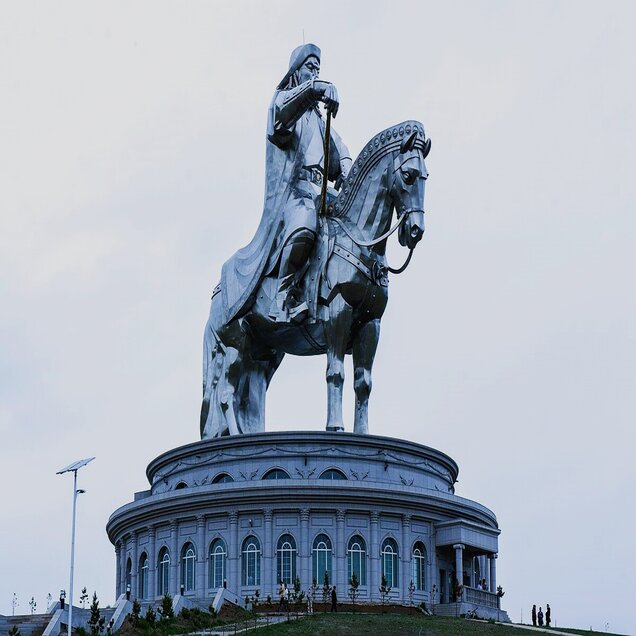
Mongolia, a nation bordered by China and Russia, is known for vast, rugged expanses and nomadic culture. Its capital Ulaanbaatar centres around Chinggis Khaan (Genghis Khan) Square, named for the notorious founder of the 13th- and 14th-century Mongol Empire.While Mongolia is not quite the savage and godforsaken place of imagination, it is still amongst the last of the untamed territories of the world. The desolate and hostile expanse of the Gobi Desert, the unrelenting peaks of Altai – Tavan Bogd, the frozen ‘Blue Pearl’ Lake Khovsgol, the bleak volcanoes of Uran Uul and Togoo Uul and the magnificent valleys of Terelj and Yolyn Am, the ‘Flaming Cliffs’ and fossil park of Bayanzag, salt and freshwater lakes, springs and glaciers galore – all await the visitor. Mongolia is an unusual, harsh land – but it?s also amazingly beautiful in its arid splendour. Don?t expect the luxuries and pampering of more popular tourist destinations.- When is the Best Time to Visit?
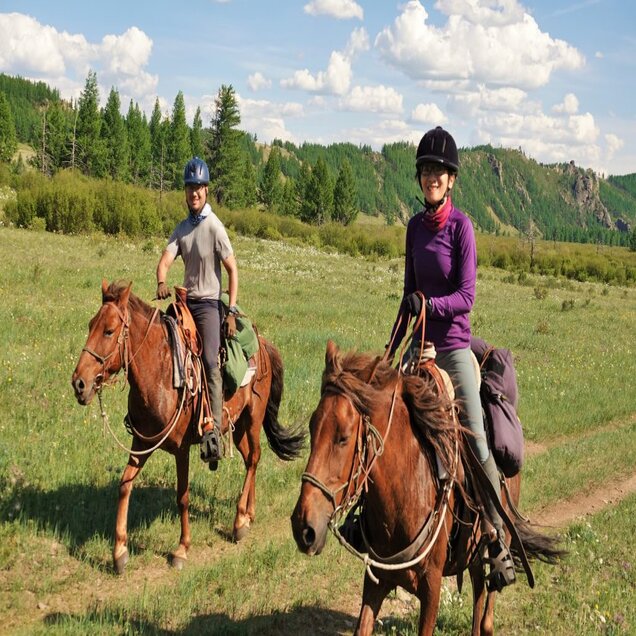
- Summer (June to August): This is the peak tourist season when the weather is most favorable. The steppes are lush and green, and it’s an ideal time for outdoor activities such as hiking, horseback riding, and attending local festivals.
- Autumn (September to October): As temperatures start to cool, the landscapes transform into a golden tapestry. This is a quieter time to visit, offering stunning scenery and opportunities to experience nomadic culture.
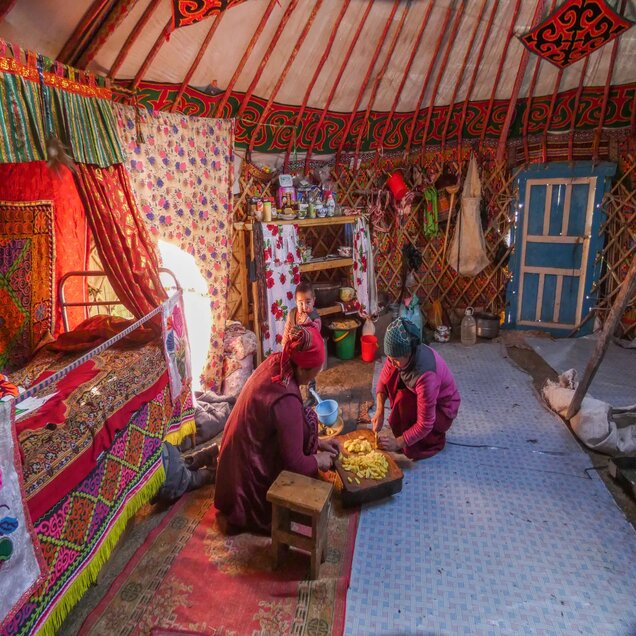
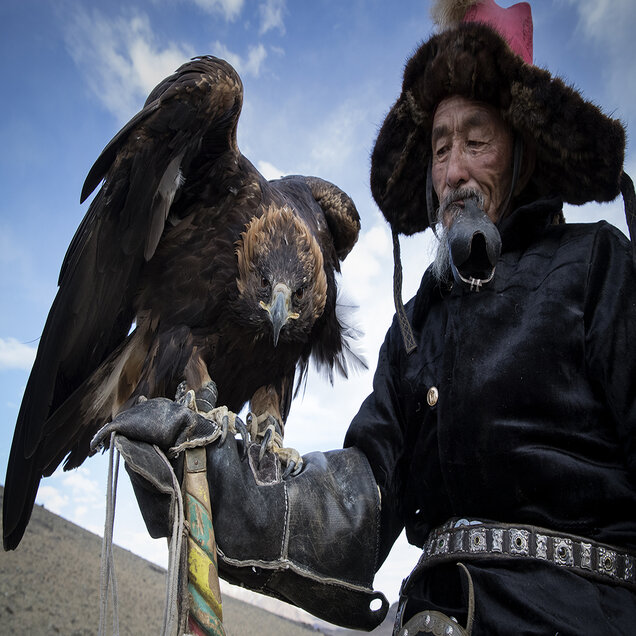
- Winter (November to February): While temperatures can be harsh, winter opens up unique experiences like the Golden Eagle Festival and a chance to witness the nomadic way of life in the snow-covered steppes.
- Where Should You Go?
- Ulaanbaatar: The capital city is a blend of modernity and tradition. Explore the Gandan Monastery, the National Museum of Mongolia, and experience the vibrant local culture.
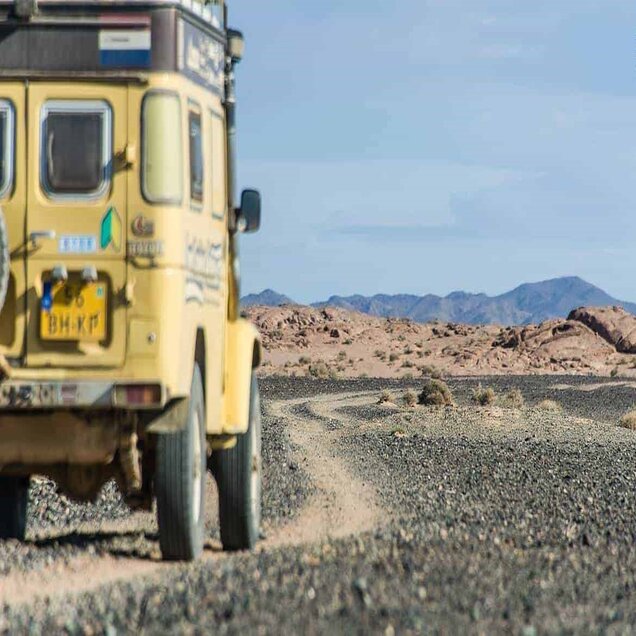
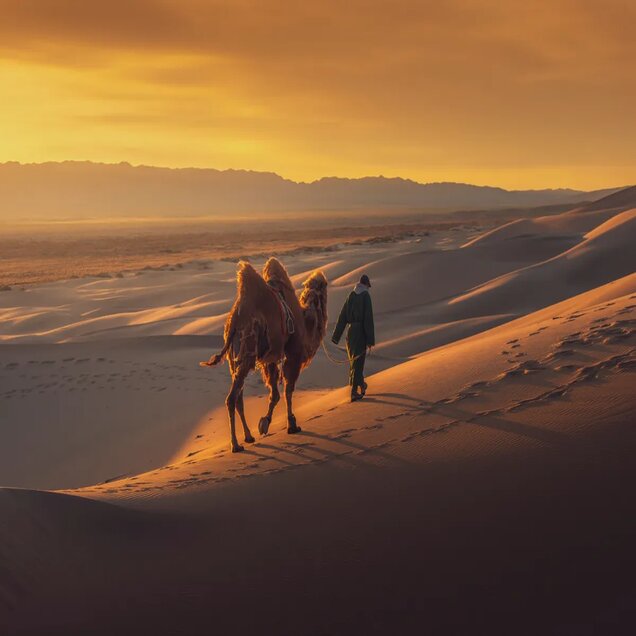
- Gobi Desert: A vast expanse of desert landscapes, the Gobi is famous for its unique ecosystems, including the Khongoryn Els sand dunes and the Flaming Cliffs, known for dinosaur fossils.
- Khuvsgul Lake: Often referred to as the “Blue Pearl of Mongolia” this pristine lake is surrounded by lush forests and is a haven for nature lovers, offering activities like boating and trekking.
- Terelj National Park: A short drive from Ulaanbaatar, Terelj is known for its stunning rock formations, including the famous Turtle Rock, and provides a serene escape into nature.
- Kharkhorin: The ancient capital of the Mongol Empire, Kharkhorin is home to the Erdene Zuu Monastery and the iconic Turtle Rock.
- Altai Mountains: A paradise for trekkers, the Altai Mountains offer breathtaking landscapes, alpine lakes, and a chance to experience the hospitality of Kazakh nomads.
- Orkhon Valley: A UNESCO World Heritage site, the Orkhon Valley is rich in archaeological remains and nomadic traditions. Explore ancient deer stones and visit nomadic families.
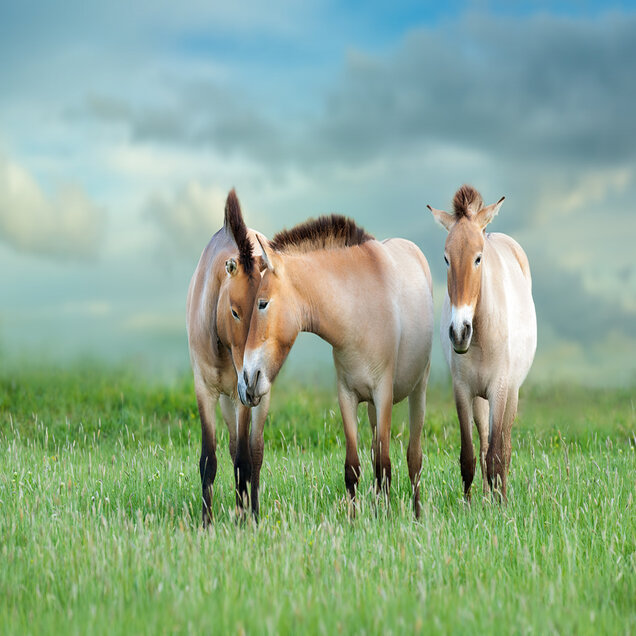
- Hustai National Park: Known for the successful reintroduction of the Przewalski’s horse, this park is a conservation success and offers a chance to see these wild horses in their natural habitat.
- Karakorum Range: A remote and less-explored region, the Karakorum Range is known for its rugged beauty, glaciers, and opportunities for challenging treks.
- Tsenkher Hot Springs: Nestled in the Arkhangai Mountains, these natural hot springs offer a perfect retreat after days of exploration.
- How Many Days Do You Need?
- Short Trip (5-7 days): Focus on Ulaanbaatar, Terelj National Park, and one other region for a glimpse of both urban and nomadic life.
- Medium Trip (10-14 days): Explore the Gobi Desert or the Khuvsgul Lake region in addition to central Mongolia for a more comprehensive experience.
- Extended Trip (3 weeks or more): Venture into the Altai Mountains, the Orkhon Valley, and other remote regions for an in-depth exploration of Mongolia’s diverse landscapes and cultures.
Your Mongolian odyssey begins here, with Travoley.
- ? ÿTRAVEL TO MONGOLIA WITH US
Introducing Mongolia
Mongolia, a nation bordered by China and Russia, is known for vast, rugged expanses and nomadic culture. Its capital Ulaanbaatar centres around Chinggis Khaan (Genghis Khan) Square, named for the notorious founder of the 13th- and 14th-century Mongol Empire.While Mongolia is not quite the savage and godforsaken place of imagination, it is still amongst the last of the untamed territories of the world. The desolate and hostile expanse of the Gobi Desert, the unrelenting peaks of Altai – Tavan Bogd, the frozen ‘Blue Pearl’ Lake Khovsgol, the bleak volcanoes of Uran Uul and Togoo Uul and the magnificent valleys of Terelj and Yolyn Am, the ‘Flaming Cliffs’ and fossil park of Bayanzag, salt and freshwater lakes, springs and glaciers galore – all await the visitor. Mongolia is an unusual, harsh land – but it?s also amazingly beautiful in its arid splendour. Don?t expect the luxuries and pampering of more popular tourist destinations.- When is the Best Time to Visit?
- Summer (June to August): This is the peak tourist season when the weather is most favorable. The steppes are lush and green, and it’s an ideal time for outdoor activities such as hiking, horseback riding, and attending local festivals.
- Autumn (September to October): As temperatures start to cool, the landscapes transform into a golden tapestry. This is a quieter time to visit, offering stunning scenery and opportunities to experience nomadic culture.
- Winter (November to February): While temperatures can be harsh, winter opens up unique experiences like the Golden Eagle Festival and a chance to witness the nomadic way of life in the snow-covered steppes.
- Where Should You Go?
- Ulaanbaatar: The capital city is a blend of modernity and tradition. Explore the Gandan Monastery, the National Museum of Mongolia, and experience the vibrant local culture.
- Gobi Desert: A vast expanse of desert landscapes, the Gobi is famous for its unique ecosystems, including the Khongoryn Els sand dunes and the Flaming Cliffs, known for dinosaur fossils.
- Khuvsgul Lake: Often referred to as the “Blue Pearl of Mongolia” this pristine lake is surrounded by lush forests and is a haven for nature lovers, offering activities like boating and trekking.
- Terelj National Park: A short drive from Ulaanbaatar, Terelj is known for its stunning rock formations, including the famous Turtle Rock, and provides a serene escape into nature.
- Kharkhorin: The ancient capital of the Mongol Empire, Kharkhorin is home to the Erdene Zuu Monastery and the iconic Turtle Rock.
- Altai Mountains: A paradise for trekkers, the Altai Mountains offer breathtaking landscapes, alpine lakes, and a chance to experience the hospitality of Kazakh nomads.
- Orkhon Valley: A UNESCO World Heritage site, the Orkhon Valley is rich in archaeological remains and nomadic traditions. Explore ancient deer stones and visit nomadic families.
- Hustai National Park: Known for the successful reintroduction of the Przewalski’s horse, this park is a conservation success and offers a chance to see these wild horses in their natural habitat.
- Karakorum Range: A remote and less-explored region, the Karakorum Range is known for its rugged beauty, glaciers, and opportunities for challenging treks.
- Tsenkher Hot Springs: Nestled in the Arkhangai Mountains, these natural hot springs offer a perfect retreat after days of exploration.
- How Many Days Do You Need?
- Short Trip (5-7 days): Focus on Ulaanbaatar, Terelj National Park, and one other region for a glimpse of both urban and nomadic life.
- Medium Trip (10-14 days): Explore the Gobi Desert or the Khuvsgul Lake region in addition to central Mongolia for a more comprehensive experience.
- Extended Trip (3 weeks or more): Venture into the Altai Mountains, the Orkhon Valley, and other remote regions for an in-depth exploration of Mongolia’s diverse landscapes and cultures.
Your Mongolian odyssey begins here, with Travoley.
- ? ÿTRAVEL TO MONGOLIA WITH US
- Gallery
- Info
Rugged Mongolia is an adventure destination where travellers can experience vast, untouched landscapes and learn about nomadic culture. Rugged Mongolia is an adventure destination where travellers can experience vast, untouched landscapes and learn about nomadic culture.
Country details
Capital
Ulaanbaatar
Language
Mongolian
Currency
Mongolian Tgrg
Time Zone
UTC+7 / UTC+8
Drives on the roadside
Right
Electricity
230V, C/F
Plugs and Sockets
C, F
Tap Water
Not Safe to Drink
Calling code
976
Discover Cities in Mongolia
No data was found
paid ads
Best things to do in Mongolia
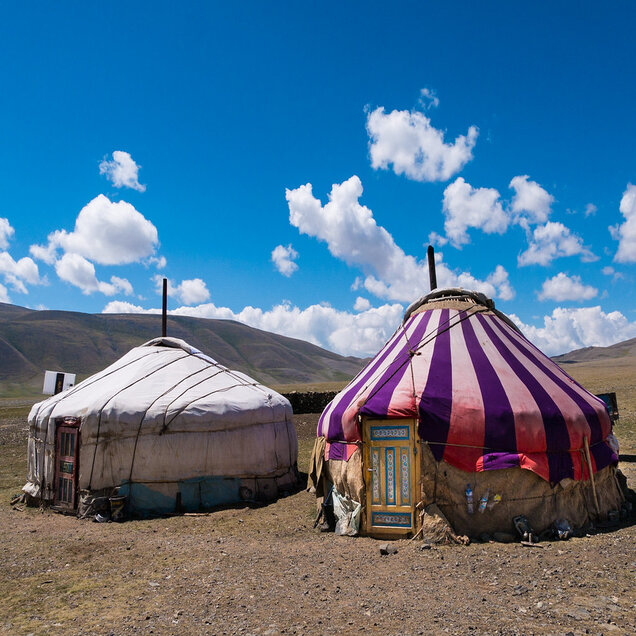
Experience Mongolia’s vast open landscapes on horseback, stay in a traditional ger under star-filled skies, explore the Gobi Desert’s dramatic dunes and canyons.
Powered by GetYourGuide